
The Spleen of Fashionable Life
Eugene OneginThis thread traces the poem’s criticism of fashionable society through Eugene’s early excess, later withdrawal, and return to its empty rituals.
increasing Bearing strength in each event
 decreasing
Bearing strength in each eventdecreasingLife as Performance
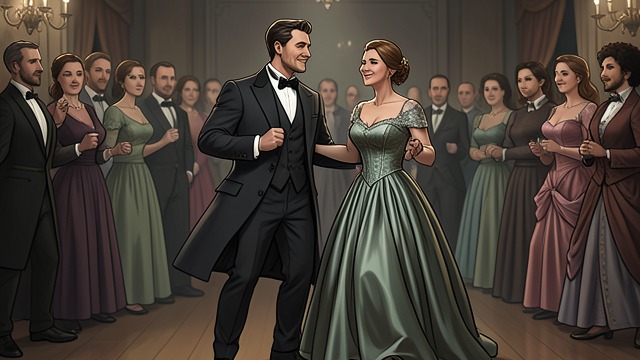
Life as Performance
Skills for acceptance
Eugene learns the language, dress, manners, and dances needed to succeed among fashionable people. He becomes admired without developing a clear inner purpose.
Social competence functions as a performance that others reward.
The cost of repetition
Restaurants, theatres, balls, and flirtations provide constant motion but little lasting interest. Their abundance prepares the conditions for his boredom.
The poem asks whether social polish can substitute for a meaningful life.
Pleasure Exhausted
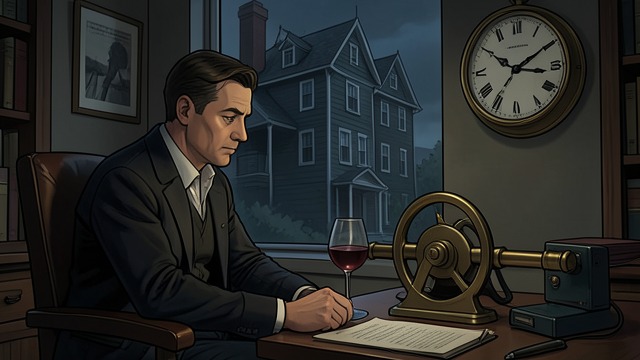
Pleasure Exhausted
Desire loses force
Eugene grows tired of love, friendship, food, theatre, and public diversion. Experiences that once animated him become predictable.
The narrator calls the condition a form of British spleen transported into the Russian setting.
Emptiness beneath abundance
Eugene’s illness is not material deprivation but the exhaustion of appetite. The more options he has sampled, the less capable he seems of caring.
His ennui exposes the limits of a life built around consumption and display.
Rural Boredom

Rural Boredom
Escape fails
Eugene initially welcomes his uncle’s country estate, but the novelty of fields and woods fades quickly. Quiet life proves no more satisfying than the capital.
His restlessness is portable.
A deeper diagnosis
The countryside does not create his discontent, and its beauty cannot cure it. Eugene’s lack of purpose travels with him into every setting.
The episode prevents the poem from treating rural life as an automatic moral refuge.
The Society Revisited
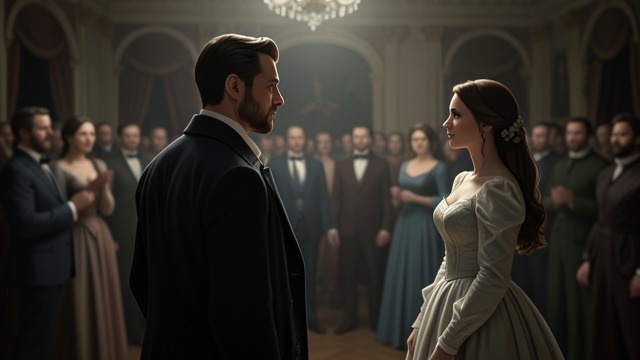
The Society Revisited
Old rituals, changed attention
Eugene returns to fashionable gatherings, where titles, dress, gossip, and display remain familiar. He now attends not for their pleasures but because Tattiana is there.
His fixation gives the social scene a new personal purpose.
The world’s limits remain
The public world offers no honest solution to his longing. Its habits and status distinctions shape the encounter without repairing his earlier choice.
Eugene’s renewed interest exposes how quickly the supposedly indifferent can be captivated by what is unavailable.
The Critique of Empty Prestige
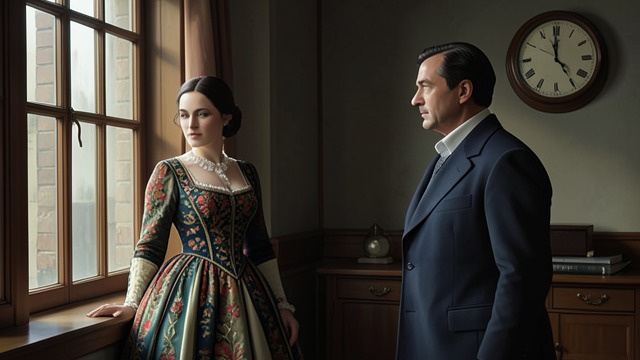
The Critique of Empty Prestige
Status changes desire
Eugene’s love becomes urgent after Tattiana has acquired social distinction and marriage. The poem invites suspicion that status and inaccessibility have intensified his attraction.
His passion may be sincere while still bearing the mark of vanity and fashion.
No easy escape
Tattiana’s final refusal does not prove that society alone created their tragedy. Their personal decisions matter alongside its pressures.
The novel criticizes empty prestige without reducing human feeling to a simple social mechanism.
during Eugene’s early social years
after years in the capital
within days of Eugene’s arrival at the estate
after Eugene returns to Petersburg
during Eugene’s final courtship
